
Industrial Machinery

Built to vary.
Defined to deliver.

A machine family can share a frame, a drive, and years of engineering knowledge. Each order still brings its own duty, modules, controls, and receiving team. Keep the selected configuration connected to the design decisions, build information, and service content that belong with it—from the first application brief to the equipment delivered.

Connect your machine lifecycle
From a customer application to the machine in service.
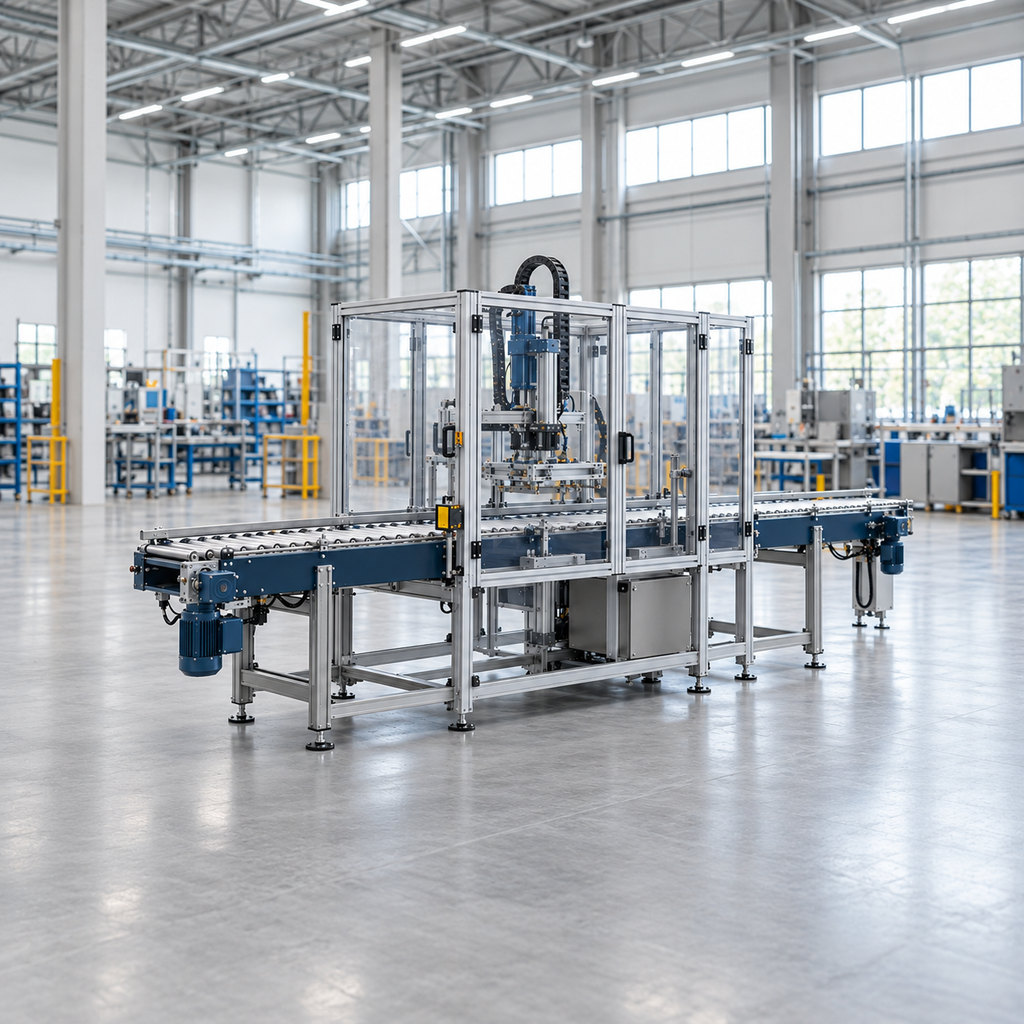
Modular automated machinery cell with a conveyor, guarded workstation and common structural frame in a clean factory
INDUSTRIAL MACHINERY / ENGINEERING IN CONTEXT 01—05
REUSE. CONFIGURE. CARRY FORWARD.
Know what belongs together.
Three industrial perspectives

From the component.
To the complete machine.

An actuator, a production cell, and a material-handling machine create different engineering questions. Connect each product definition to the application, manufacturing handoff, and service responsibilities around it.

01

Industrial components

A motor, valve, sensor, or actuator may become part of many machines. Preserve the component’s geometry, interfaces, operating assumptions, supplier information, and revision as reusable engineering knowledge. When a part changes or an alternative is proposed, give the receiving machine team a clear reference to investigate. A catalog description alone cannot explain every interface decision in the assembly that uses it.

Connect the selected component and revision to its machine interfaces, supporting information, and change owner.
02

Machinery & tooling

A repeatable machine platform can support different tooling, feed systems, controls, or inspection modules. Define what is common, what can vary, and which combinations your engineering process supports. Keep the selected structure connected to assembly preparation and technical content, so the next team can identify the machine being built rather than reconstructing it from several disconnected documents.

Carry a specific machine configuration from reusable architecture into its manufacturing and documentation handoffs.
03

Heavy equipment

An attachment, hydraulic package, operator interface, or regional configuration can affect several disciplines across a material-handling or mobile-equipment family. Record the selected equipment definition and the interfaces under review. At delivery, preserve the identity and configuration that support later parts and service questions. Bring relevant field findings back to engineering with enough context to distinguish a product-family change from a modification to one unit.

Keep attachments, equipment identity, engineering decisions, and applicable service information associated through delivery and support.
The configured machine through its lifecycle

One machine platform.
Connected delivery decisions.

Follow the customer application into a selected design, manufacturing preparation, delivery, and support. Keep the reusable architecture and the specific machine configuration distinguishable—and carry the right context between them.

01 / Establish the application

Give the machine a clear purpose.

THE DECISION IN CONTEXT

What must this machine do, and under which conditions?

A defined application gives the platform and module decisions a common starting point.

Capture the customer application, intended duty, operating environment, interfaces, constraints, and acceptance criteria. Identify the owners of mechanical, electrical, software, and supplier decisions. Define the equipment family and supported variation in scope so engineering can distinguish a repeatable configuration from a proposal requiring additional development.

CONNECTED RECORDS
  1. 01Application & duty brief
  2. 02Interface assumptions
  3. 03Acceptance & review criteria
02 / Select the product definition

Make the variant explicit.

THE DECISION IN CONTEXT

Which common and selected parts belong to this machine?

A specific product structure gives each receiving team a reference for the configuration it must carry forward.

Identify the common architecture, selected modules, applicable revisions, and controlled exceptions. Preserve the selection logic and the requirements behind the configuration. When a proposed option changes geometry, behavior, or a supplier interface, relate the new work to the affected assembly and its review responsibilities. Reuse the established definition while making the order’s differences visible.

CONNECTED RECORDS
  1. 01Selected machine structure
  2. 02Module & interface definition
  3. 03Option or exception decision
03 / Connect engineering to the build

Translate the definition into the work.

THE DECISION IN CONTEXT

What changes in the way this configuration is assembled or assessed?

Linked structures and clear ownership support the handoff from the design definition to manufacturing preparation.

Relate the engineering structure to manufacturing parts, assembly operations, resources, and inspection information. Keep the two views connected while allowing them to serve different responsibilities. Identify the released information the build team needs and the route for resolving an assembly question. A module change should have a defined review path into affected preparation work.

CONNECTED RECORDS
  1. 01Manufacturing structure
  2. 02Assembly & resource context
  3. 03Inspection information
04 / Preserve the receiving context

Hand over an identified machine.

THE DECISION IN CONTEXT

Which machine and information package is the customer receiving?

A defined delivery record gives later engineering and service questions a specific equipment context.

Record the delivered equipment identity, configuration, accepted changes, and relevant commissioning information. Associate the operating and service content that has been authored and reviewed for that scope. Make ownership of the receiving information explicit, including how installation questions and proposed deviations return to the engineering process.

CONNECTED RECORDS
  1. 01Delivered machine configuration
  2. 02Commissioning & handoff information
  3. 03Operating & service content
05 / Keep knowledge with the equipment

Bring the next question back into context.

THE DECISION IN CONTEXT

Does this finding concern one machine, a module, or the wider family?

The equipment identity and its maintained relationships help engineering choose a meaningful review scope.

Associate reported issues, replacement proposals, modifications, and documentation updates with the equipment they concern. Distinguish the current product-family definition from the recorded configuration of an installed machine. Review field findings with the applicable design and development records, then define how accepted improvements reach future variants and their supporting content.

CONNECTED RECORDS
  1. 01Installed configuration
  2. 02Field observation or modification
  3. 03Revised product & service information
A selected machine module

Shared architecture.
Configuration-specific handoffs.

A conveyor platform can be delivered with an additional inspection module. The common frame remains, while the selected assembly brings its own interfaces, build preparation, and service information. Explore the relationships that need to travel with that choice.

Select a module. Follow the supporting records.

Open the inspection-module view. The common platform stays fixed while the selected option and its engineering, manufacturing, and service context change together.

Common conveyor platform with a selectable inspection moduleThe common frame, conveyor rollers and drive stay fixed. Opening the disclosure reveals an overhead inspection module, then changes the engineering, build preparation and service record descriptions beneath it.
COMMON FRAME & DRIVEOPTIONAL INSPECTION MODULE

Common conveyor platformPlatform with inspection module

Include the inspection module

The selected module introduces its own mechanical and control interfaces. Its assembly definition, installation work, and supporting technical content need a reviewed relationship to this machine configuration.

The selected machine definition connects these three responsibilities. Each record keeps its own purpose.

  1. 01Engineering structure
    Common assembly

    Frame, conveyor and drive definition.

    Common + selected module

    Module assembly and its mechanical/control interfaces.

  2. 02Build preparation
    Platform assembly work

    Preparation for the common equipment.

    Module installation context

    Affected assembly work, resources and inspection information.

  3. 03Service information
    Platform content

    Reviewed information for the base scope.

    Selected-module content

    Information authored for the module and its configuration.

01Application & requirementsThe inspection option needs a defined purpose, intended conditions, and review criteria.INTENT & BEHAVIOR

What does the selected option need to accomplish?

Identify the requested inspection behavior, interfaces, operating assumptions, and acceptance criteria. Where controls or embedded software are involved, preserve the requirement’s relationship to development and verification records. The engineering process determines the necessary assessment.

02Selected machine definitionThe common architecture and added module need an identified product structure.PLATFORM & VARIANT

Which parts and interfaces belong to this configuration?

Relate the selected module and applicable revisions to the machine assembly. Define the supported options, authored selection logic, and exceptions through the organization’s process. Configured Windchill options/variant capabilities can represent a product family and derive a selected structure.

03Manufacturing preparationThe option’s assembly and inspection work needs a route from the selected design.STRUCTURE & ASSEMBLY

Which preparation records does the module affect?

Identify the manufacturing parts, operations, resources, and inspection information that require review. Preserve their relationship to the engineering structure while maintaining the distinction between design and manufacturing responsibilities. Appropriate configured Windchill MPMLink capabilities can support these structures, plans, and relationships.

04Operating & service contentThe delivered configuration needs technical information that describes its selected scope.CONTENT & APPLICABILITY

Which instructions and parts information need to accompany this machine?

Associate the machine option with the technical topics, revisions, and applicability rules the authoring team maintains. Arbortext supports structured content reuse and publishing; configuration-specific service delivery depends on the chosen components, source connections, and publishing setup. Instruction review and approval remain part of the organization’s process.

Open a related record to follow the information and responsibilities behind the selected module.

Capabilities around the machine

Design the architecture.
Carry the definition forward.

Bring mechanical models, controlled structures, behavioral requirements, calculations, and technical content into a deliberate workflow. TriStar helps define the tools, responsibilities, and connections around the machine family you build.

01

Machine architecture & mechanical design

Develop the common assembly, module interfaces, and geometry that make a machine family understandable.

CAD · Creo · Design reuse
Creo supports mechanical part and assembly design. Establish the geometry, references, and interface decisions that modules share, then preserve the selected machine definition. Top-down design, options modeling, advanced simulation, CAM, and other specialized workflows depend on the chosen packages or extensions; scope those capabilities around the engineering work.
02

Product structures, variants & manufacturing context

Keep parts, revisions, options, changes, and manufacturing relationships in a controlled product-information workflow.

PLM · PDM · Windchill
Windchill manages product data and change. Appropriate options/variant capabilities can represent configurable structures, while configured MPMLink capabilities support manufacturing structures, process plans, resources, and engineering/manufacturing relationships. Define record ownership, selected capabilities, supported variation and integration scope for your environment.
03

Behavioral requirements & software development

Connect machine behavior, development decisions, risks, verification records, and release context where software matters.

ALM · Codebeamer · Requirements
Codebeamer supports application lifecycle management, including requirements, risk and test-management workflows, development context, and traceability. Relate a selected machine option to the behavior and evidence it requires. PLM and other tool connections depend on configured integrations and the chosen environment.
04

Engineering calculations that retain their reasoning

Document the equations, units, inputs, and assumptions behind a load, drive, or mechanism decision.

Engineering calculations · Mathcad
Mathcad combines mathematics, units, text, and plots in engineering worksheets. Keep the sizing method, inputs, and results reviewable and associated with the design revision they support. A motor-sizing or mechanism calculation is one part of the engineering assessment; the appropriate method and specialist review still depend on the machine and intended duty.
05

Technical content for the delivered configuration

Reuse operating and service topics while preserving revision, source, and applicability responsibilities.

Technical communication · Arbortext · SLM
Arbortext supports structured technical authoring and publishing. Organize reusable machine topics and define how a module or assembly change reaches content review. Configuration-specific delivery requires the relevant service-information components, maintained applicability rules, source connections, and publishing setup. Keep authorship, review and applicability responsibilities clear for each machine configuration.
06

A working delivery practice for your teams

Turn the machine-family scope into clear ownership, supported handoffs, and guidance people can use.

Consulting · Implementation · Migration · Training
TriStar’s services support assessment, process definition, architecture, implementation, integration, migration, training, and support. Start with a representative variant and the people authoring, reviewing, building, and supporting its information. Define the first workflow and its acceptance criteria, then plan adoption and data stewardship alongside the technology.
A practical first machine family

Start with one variant.
Connect the handoff.

Choose a representative order or module change. Make its product definition, manufacturing relationship, and receiving information clear before extending the workflow across a wider equipment portfolio.

01

Understand.

Follow one order or module change through engineering, manufacturing preparation, delivery, and support. Identify where a receiving team has to reconstruct the machine configuration or its information ownership.

OUTPUTMachine-family & handoff map
02

Connect.

Agree the common architecture, supported variation, record relationships, and first delivery scope. Define the selected configurations, review responsibilities, and integration boundaries for the pilot.

OUTPUTVariant model & prioritized delivery scope
03

Activate.

Configure and evaluate a bounded workflow with representative parts, modules, and actual users. Rehearse affected assembly and technical-content handoffs, migration, and source connections where required.

OUTPUTWorking pilot & reviewed handoff
04

Advance.

Support daily use, collect findings from design, build, and service teams, and plan the next release. Keep user guidance, ownership of selection rules, and ongoing product-data maintenance visible.

OUTPUTAdoption plan & improvement backlog
Questions before the next configuration

Define the variation.
Make the responsibilities clear.

A useful machine-information strategy starts with the options you support, the records each team owns, and the decisions required to deliver a particular configuration.

Which industrial segments does this cover?

The three contexts are industrial components, machinery and tooling, and heavy equipment. A component supplier, a production-machine builder, and a mobile-equipment team may need different structures and workflows. Begin with the product family and receiving handoff relevant to your organization.

How is a machine platform different from a delivered configuration?

A platform describes the common architecture and supported variation. A delivered configuration identifies the selected modules, revisions, accepted changes, and equipment identity for a particular machine. Keep those records distinguishable and connected, so a later design or service question has a specific reference.

Can Windchill support configurable product families?

Appropriate Windchill options and variant capabilities can represent configurable modules, authored selection logic, and filtered product structures. The supported combinations, engineering rules, governance, and implementation must be defined.

Can engineering and manufacturing use different structures?

Yes. They serve different responsibilities and can remain linked. Appropriate configured Windchill MPMLink capabilities support manufacturing structures, process plans, resources, and engineering/manufacturing part relationships. Define the ownership and change process for each view rather than assuming the engineering bill of materials is the complete assembly plan.

How does service content follow a machine option?

Maintain the equipment configuration, content revisions, and applicability rules through a defined authoring and publishing workflow. Arbortext can support structured content reuse; configuration-specific service delivery requires the relevant components and source connections. The organization remains responsible for reviewing and approving instructions for their intended scope.

Where should a first implementation begin?

Choose one representative variant or module change with a clear engineering-to-build or delivery handoff. Include the people creating and receiving its records. Evaluate whether the selected parts, revision, responsibilities, and supporting information remain understandable, then expand against agreed criteria.

Your next move

Let’s connect
your next machine decision.

A reusable platform. A selected module. A handoff that needs a clearer definition.
Bring us the machine family, and we’ll help shape a practical first workflow.

Talk to an expert
Start a conversation

What would you
like to connect?

Select a priority to start the conversation.

Choose a priority above.