







Industry perspective. Connected thinking.

Different industries.
Shared ambition.

Better products. Clearer decisions. A more connected way to work. Find the digital thread that moves your industry forward.

Explore industries
EIGHT INDUSTRY PERSPECTIVESONE CONNECTED PRODUCT LIFECYCLE
Find your industry

Your world.
Our starting point.

Every sector has its own demands. Start with the realities of your product, your people, and the way work gets done.

Jet engine in an aerospace manufacturing facilityPRECISION / AT EVERY ALTITUDE

Aerospace & Defense

Keep the whole program in view.

Connect configurations, requirements, and engineering decisions from the first design review through production and long-term support.

  • Configuration
  • Traceability
  • Program continuity
Explore the priorities
Connect the definition

Keep parts, documents, revisions, and program baselines in context.

Carry intent forward

Connect engineering changes to the teams and configurations they affect.

View the industry page
Aerospace & Defense field guide
Automotive body assembly line with industrial robotsMOTION / FROM MODEL TO PRODUCTION

Automotive

Move from model to motion.

Align product variants, supplier decisions, and production handoffs around an evolving engineering definition.

  • Product variants
  • Supplier collaboration
  • Production
Explore the priorities
Coordinate the change

Understand how a revision affects variants, related parts, and downstream teams.

Connect the handoff

Carry approved engineering information into manufacturing planning.

View the industry page
Automotive field guide
Precision manufacturing equipment for electronic componentsINTELLIGENCE / ACROSS DISCIPLINES

Electronics & High-Tech

Connect the parts of a smarter product.

Bring mechanical, electronic, and software information into a shared product context as components and requirements change.

  • Multidisciplinary design
  • Components
  • Product changes
Explore the priorities
Connect the disciplines

Make relationships between mechanical design, electronics, and software easier to understand.

Keep components in context

Track component decisions and their effect on the wider product structure.

View the industry page
Electronics & High-Tech field guide
Wind turbines and electrical transmission infrastructureCONTINUITY / FROM DESIGN TO THE FIELD

Energy & Resources

Keep asset decisions connected.

Bring engineering records, equipment configurations, and service information into a shared lifecycle view. Plan how asset changes move from design to the field, so maintenance and operations can work from the right product context.

  • Asset configuration
  • Change traceability
  • Service readiness
Explore the priorities
Configuration continuity

Connect released drawings, part structures, and revision history to equipment records so teams can assess a proposed change against the asset it affects.

Service information that travels

Carry engineering updates into maintenance documentation, with clear ownership and review steps for the information technicians need before work begins.

View the industry page
Energy & Resources field guide
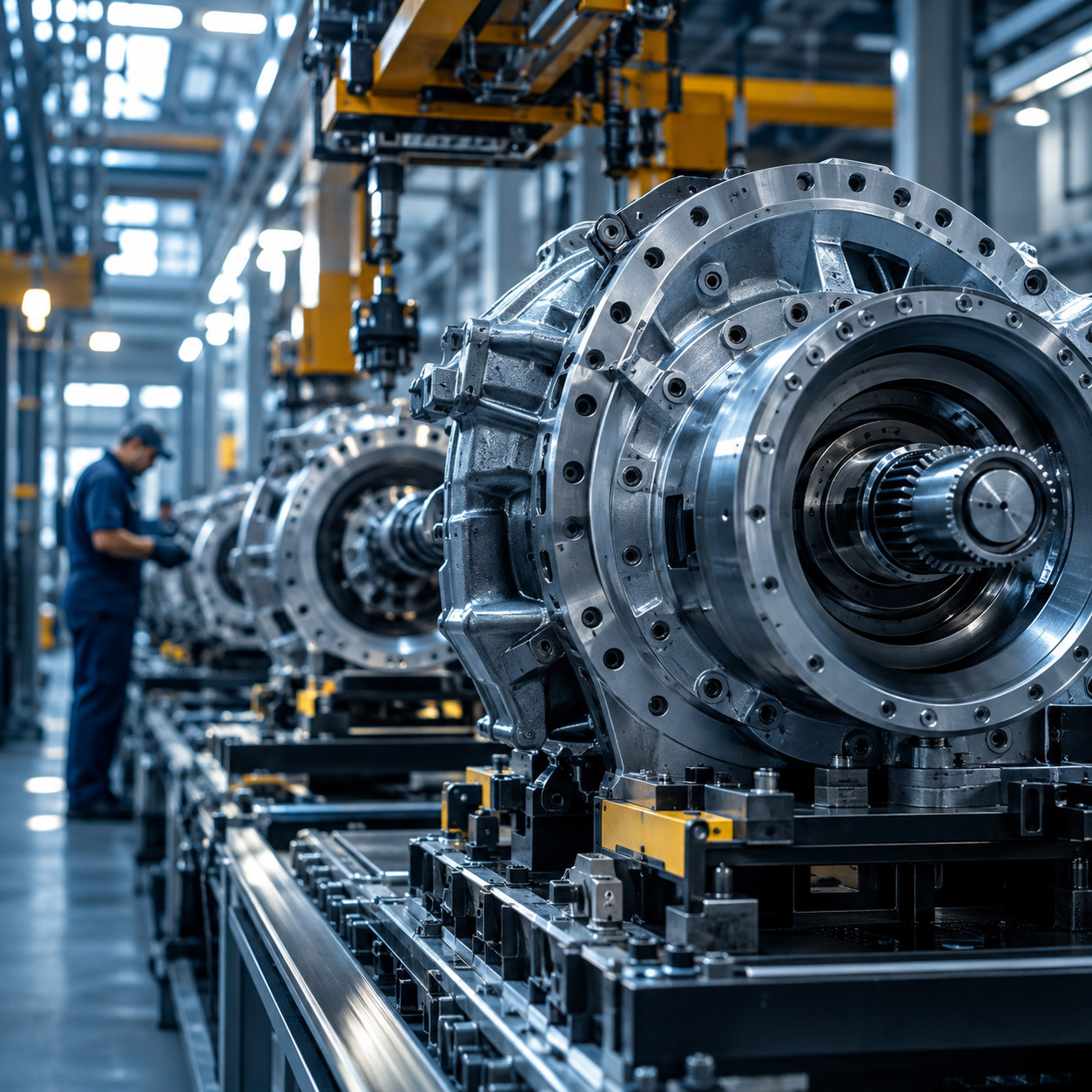
Complex industrial machinery and mechanical assembliesPERFORMANCE / THROUGH A WORKING LIFE

Industrial Machinery

Build intelligence into every configuration.

Connect configurable equipment, engineering reuse, and service information across a product’s working life.

  • Equipment configuration
  • Design reuse
  • Service information
Explore the priorities
Build on what works

Organize product families and reusable designs while preserving configuration context.

Keep knowledge working

Carry engineering information into the operation, maintenance, and evolution of equipment.

View the industry page
Industrial Machinery field guide
Medical imaging system and precision device componentsCONFIDENCE / IN EVERY DECISION

MedTech

Give every decision its context.

Connect requirements, design records, and review decisions across medical device and life sciences engineering. Keep product changes and their supporting evidence in context as teams move through development, manufacturing, and long-term support.

  • Design records
  • Change control
  • Product quality
Explore the priorities
Follow the evidence

Connect requirements, design information, and review records as the product evolves.

Manage the revision

Keep teams aligned on the approved definition and the reasons behind a change.

View the industry page
MedTech field guide
Stainless steel processing vessels and pipework in a production plantCONSISTENCY / ACROSS SHIFTS AND SITES

Process Industries

Make change easier to execute.

Production teams need clear instructions when equipment, documentation, or operating conditions change. Define the information flows and approval steps that connect engineering with plant teams, creating a practical foundation for consistent execution across shifts and sites.

  • Equipment changes
  • Work instructions
  • Knowledge capture
Explore the priorities
Controlled plant changes

Route equipment and document updates through defined reviews, then make the approved version available where production and maintenance teams need to use it.

Knowledge that stays usable

Turn experienced employees’ knowledge into structured work guidance, with owners and update routines that keep instructions useful as equipment and processes evolve.

View the industry page
Process Industries field guide
Apparel and consumer product development studio with materials and prototypesCOORDINATION / FROM CONCEPT TO COLLECTION

Retail & Consumer Products

Keep development moving together.

Product decisions move quickly across design, sourcing, suppliers, and approvals. Connect the data and handoffs behind each launch, so specifications, material choices, and development milestones stay in context as products change and new collections take shape.

  • Product specifications
  • Supplier collaboration
  • Launch coordination
Explore the priorities
A clearer product record

Organize specifications, materials, and revision decisions around the product so stakeholders can see what changed, what needs review, and which information is approved.

Supplier decisions in context

Define how samples, supplier inputs, and sourcing decisions enter development, making the next action and its owner clear at each review.

View the industry page
Retail & Consumer Products field guide
A different kind of complexity?

Let’s start with your product.

Your next engineering challenge may cross industry boundaries. That’s a useful place to start a conversation.

Talk to an expert
The common ground

Different priorities.
A connected foundation.

Different products create different demands. Yet teams often face the same gaps: disconnected records, uncertain handoffs, and changes without context. Build a digital thread around those everyday decisions, connecting product information, practical workflows, and the people who move the work forward.

01 / PRODUCT DATA

Connect the information.

Give requirements, CAD, bills of material, and supporting documents clear relationships, owners, and release states. A usable product record helps each team find what it needs, understand which version is approved, and carry the right definition into its next decision.

IN PRACTICE

Purchasing checks the approved component revision before placing an order.

Explore our approach
02 / CONNECTED PROCESSES

Coordinate the change.

Define how a change is requested, reviewed, approved, and communicated across engineering, suppliers, manufacturing, and service. Connect the decision to the parts, documents, and downstream work it touches, so affected teams understand the impact and know what happens next.

IN PRACTICE

A drawing revision prompts a manufacturing review before instructions reach the floor.

Explore our approach
03 / PEOPLE & ADOPTION

Equip the team.

Build the rollout around real workflows, named owners, and manageable releases. Pair configuration and integration with training that reflects each role. Use feedback from the people doing the work to refine the process, preserve knowledge, and make adoption part of delivery.

IN PRACTICE

One product team validates a release process before it expands to other sites.

Explore our approach
THE VALUE IS IN THE CONNECTIONS.
From industry context to your next step

Start with the work.
Build from there.

Start with the workflow slowing your team down. Together, we can turn that issue into a focused PLM initiative, define what success looks like, and plan the people, data, and system work needed to deliver.

Start a conversation
  1. 01

    Understand your world.

    Walk through a real product release or engineering change with the people who own it. Identify where information is missing, approvals stall, or teams repeat work. Agree on the business outcome the first initiative needs to support.

    WORKFLOW & PRIORITIES MAP
  2. 02

    Define the first move.

    Translate that priority into a practical scope: data to prepare, systems to connect, roles to involve, and criteria for success. Sequence the work around your team’s capacity and dependencies, with a clear purpose for the first release.

    PHASED IMPLEMENTATION ROADMAP
  3. 03

    Build, validate, and adopt.

    Configure the agreed workflow and test it with representative product data. Involve the people who will use it, prepare training for each role, and review early feedback against the acceptance criteria before expanding to more teams.

    VALIDATED WORKFLOW & ROLLOUT PLAN
Your next move

Your industry.
Your next move.

Tell us what you design, where work gets held up,
and what you want to improve.

Talk to an expert
Start a conversation

What would you
like to connect?

Select a priority to start the conversation.

Choose a priority above.