Windchill

Manage product data and lifecycle processes with PTC’s enterprise PLM platform. Its scope connects engineering records with the processes that govern their use across the organization.
Explore Windchill
Give engineering a trusted product definition. Connect it to the people, processes, and decisions that move your product forward.
Find your starting point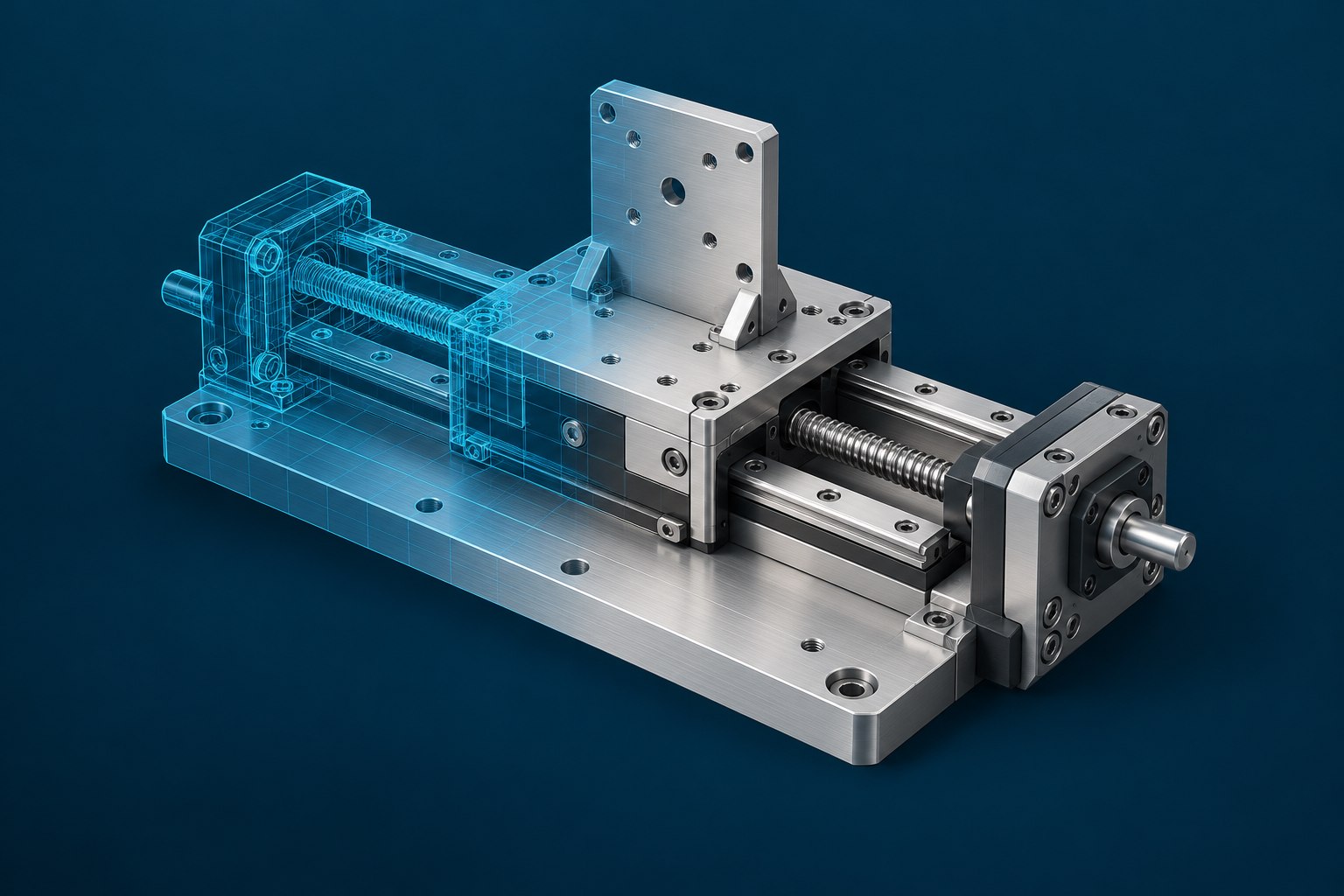
Product lifecycle management connects the information, people and decisions involved in a product—from development and production to service. It gives distributed teams a governed product context for their work.
PLM supports a digital thread: product information stays connected to the processes that use it. PDM provides the engineering-data foundation within that wider scope.
A governed record identifies the part or document, its revision and release state, and who may change it. That distinction helps a team tell an approved definition from work still under review; a shared folder alone does not establish those responsibilities.
The scope expanded as manufacturers needed to preserve not only design files, but also the relationships and decisions that explain a finished product.
Check-in, check-out and version control helped organize CAD information and protect engineering work. The immediate concern was knowing which file was current and preventing conflicting edits.
Parts, documents and product relationships extended control beyond individual files. A drawing could then be understood alongside the assembly and revision it described, rather than as an isolated attachment.
Shared processes now connect development, manufacturing, partners and service around governed information. The next challenge became coordinating the people who approve, build and support that definition.
Use this evolution to frame your scope: which records need control, and which teams need to act on them?
PTC brings enterprise product information and lifecycle processes together across engineering, manufacturing and service. Its portfolio supports different product-development environments, from complex assemblies to distributed quality teams and retail collections.
Manage product data and lifecycle processes with PTC’s enterprise PLM platform. Its scope connects engineering records with the processes that govern their use across the organization.
Explore WindchillExplore PTC’s SaaS delivery of Windchill. Assess the service operating model separately from the product capabilities your teams need.
Explore Windchill+Connect product records and quality processes across dispersed teams and supply-chain partners, with a cloud-native PLM and QMS approach.
Support brand and retail product development, including specifications, sourcing and costing, where collections and supplier coordination shape the work.
Bring failure, risk and reliability analysis into the engineering discussion. This specialist discipline examines how a design may fail and what that means for its intended use.
Explore Risk and ReliabilityChoose platform scope first; assess delivery and task-specific access separately. A product name alone does not define the implementation or integration scope.
Evaluate the value through the work that should improve—not simply the number of features deployed.
Shared product context helps teams coordinate reviews and handoffs. A reviewer can begin with the same revision and related decision history instead of reconciling separate email attachments.
Can the next reviewer find the definition and decision they need?
Connected product structures and role-specific information reduce repeated preparation. Reuse a maintained product definition when preparing another team’s view, rather than rebuilding the same information from disconnected lists.
Which manual transfer or re-entry should the first phase address?
Traceable relationships help teams investigate issues and affected components. When a problem is reported, teams can identify the relevant assembly and investigate the change history before deciding what action is appropriate.
Can an issue be followed back to the relevant product definition?
Earlier access to product changes helps manufacturing prepare related plans and instructions. Readiness becomes a shared review of the build information affected by a release, rather than a last-minute search for missing documents.
What must be ready before a revised product reaches production?
Controlled records and review history support accountable product processes. Retaining the record of who reviewed a change and what information they considered makes later product reviews easier to reconstruct.
Which evidence must be retained, and who is responsible for reviewing it?
Define a starting measure and an owner for each improvement. Results depend on process design, information quality and adoption; PLM does not replace the responsible teams’ compliance decisions.
Discrete manufacturers build identifiable parts and assemblies. PLM links their engineering definition with requirements, manufacturing and service context so teams can review the implications of a change.
01 / 03
Connections to CAD, ERP or production systems need defined ownership, mappings and validation. Agree what each team receives and how discrepancies are reviewed before extending the digital thread.
Consider sustainable engineering decisionsMaterial and design choices influence a product’s environmental impact. Connected product information can bring design assumptions and operational feedback into the same engineering discussion.

Compare material, component and serviceability alternatives against agreed requirements. Record the assumptions behind the selected approach. For example, a reusable component or a design that is easier to disassemble may change the trade-off between material use, repair and replacement.
Use relevant production or in-use feedback to challenge those assumptions. Decide what evidence justifies a design change. Compare the intended duty and lifetime with what is observed in use, keeping the source and limits of that evidence visible.
A controlled product definition supplies context; environmental assessment still needs suitable data, methods and boundaries.
PLM combines several disciplines with different records and responsibilities. Use this directory to distinguish the work you need to control; the linked guides explain individual areas in more depth.
14 connected disciplines14 focused guides
Maintain the parts and quantities that make up an assembly, with relationships to the engineering, manufacturing and service views that use it.
Control CAD files, documents and revisions so engineering teams can find and work with the intended design information.
Describe parts with consistent classes and attributes, helping designers search existing items before requesting another part.
Identify the selected product definition and its applicable revisions, so a review refers to a specific configuration rather than an unspecified latest version.
Define allowable options and rules for a product family, then derive the configuration needed for a particular offering.
Connect system behavior, interfaces and design intent with the detailed engineering definition as disciplines develop the product.
Route a proposed change through impact assessment, review and release, retaining the relationship between the request and revised records.
Organize shared development work so participants can review product context, coordinate responsibilities and contribute to decisions.
Structure what the product must achieve and relate verification evidence to those requirements for review.
Relate reported issues and quality processes to the affected product records, supporting investigation and accountable follow-up.
Define who may access or share product information, taking account of partner boundaries and the sensitivity of the records.
Develop manufacturing structures, process plans and work instructions in relation to the engineering definition they must deliver.
Prepare service structures and instructions that apply to the relevant product configuration and remain connected to engineering changes.
Exchange the product information a supplier needs within agreed access boundaries, and track the deliverables that come back.
The selected products, roles, configuration and integrations determine the supported scope. Define the records and responsibilities before selecting capabilities.
Different products bring different review pressures. Use one of these situations to shape a focused evaluation with the people responsible for the work.

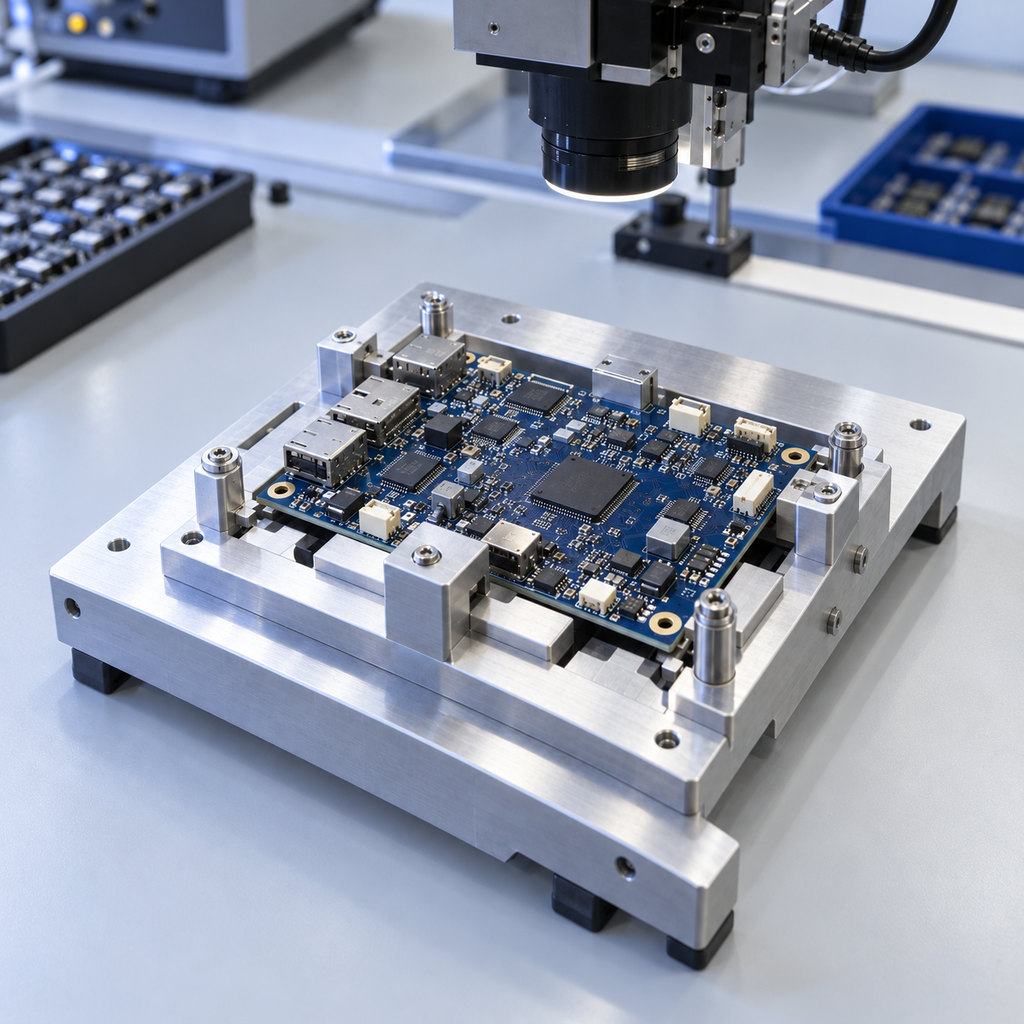
Product complexity makes component and revision context important. When an electronic component changes, engineering and sourcing need to understand which product versions use it and what related documentation must be reviewed.
Which component change must engineering and supply-chain teams review together?
Long programs require careful configuration and change traceability. A review may need to distinguish the definition approved for a particular program from later engineering work, so production and sustainment use the appropriate reference.
Which released configuration and program boundary must this handoff respect?

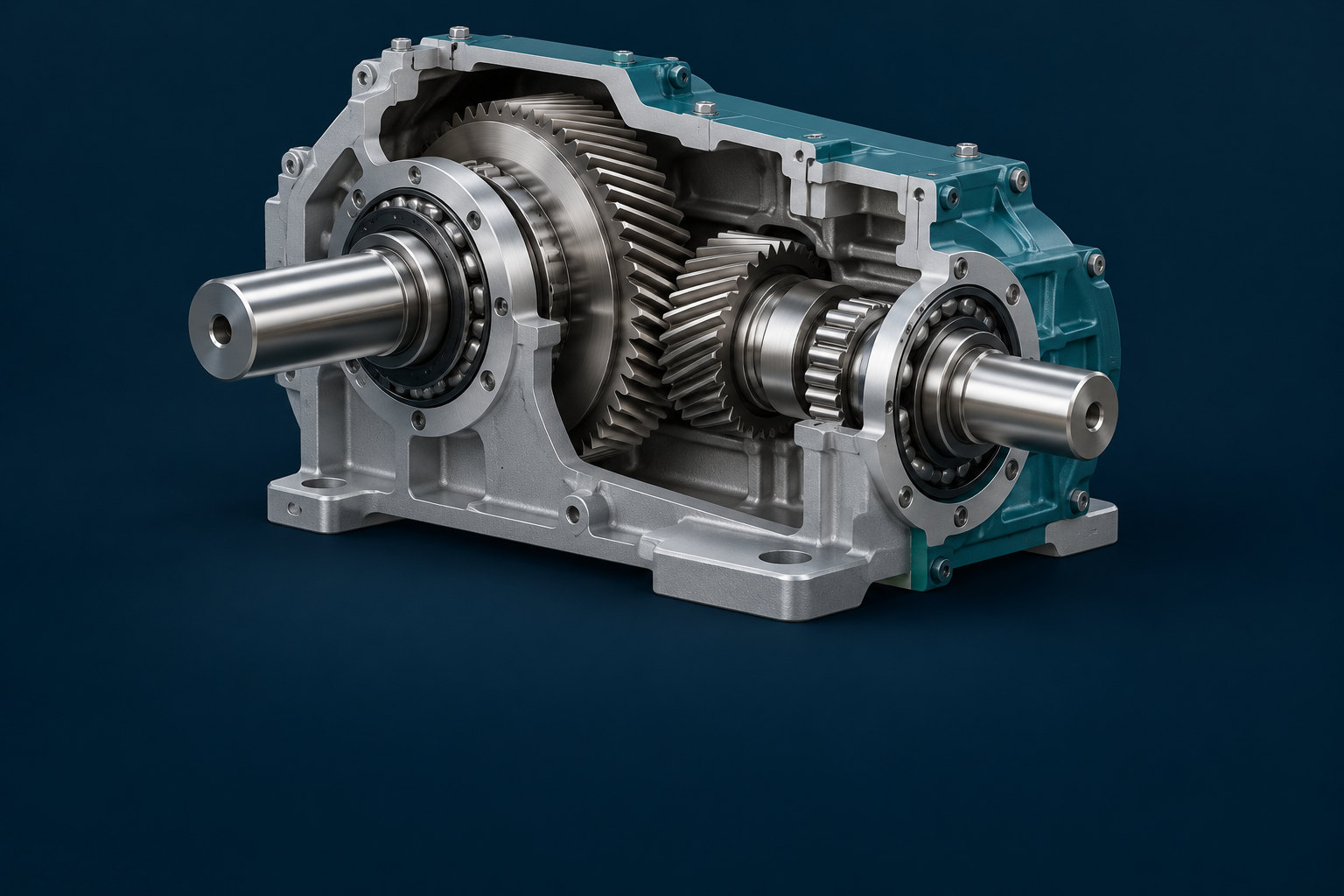
Configurable machines connect design, production and service information. An option selected for one machine can affect its assembly structure, build instructions and later service needs; those consequences should be considered together.
Which machine option changes the manufacturing or service definition?
Use these questions to distinguish platform scope, delivery choices and the information needed for an initial planning conversation.
They describe complementary scopes. PDM provides control of engineering information within the broader PLM picture. Start with the data and workflow problem, then define the scope your organization needs.
A phased roadmap can begin with a focused engineering workflow. Plan identifiers, structures, access, and system ownership early so later lifecycle processes have a considered foundation. The appropriate phases depend on your current systems and priorities.
Windchill+ is PTC’s SaaS offering. Hosting Windchill in a private or hybrid cloud is a different delivery model. Compare operating responsibilities, update practices, integrations, and supported configurations before selecting an approach.
CAD creates the engineering definition; ERP supports business and production operations. Decide which system owns each record and how approved information should move between systems. An integration requires its own scope, mapping, and validation.
Bring one example of a revision, release, or handoff that causes friction, along with the systems and roles involved. That gives the conversation a concrete starting point without assuming a particular product or implementation scope.
Bring us the revision, release, or handoff that needs a better way forward.
We’ll help connect your engineering foundation to a practical PLM roadmap.