Parts Classification

Find the part.
Reuse the knowledge.

Give parts a common language. Organize families and meaningful attributes so teams can find existing candidates before creating another record.

Explore the classification example
A library with structure.
Make existing knowledge easier to discover

Discover existing parts.
See the reuse opportunity.

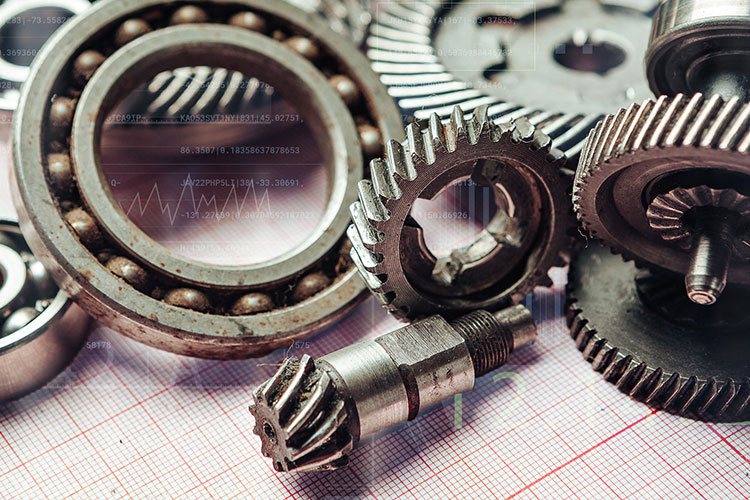
Gears, bearings and shafts arranged together with engineering-data overlays.
The opportunity

Parts classification gives an engineering library a consistent descriptive structure. It groups components into families and records the characteristics that help people distinguish them, so discovery does not depend on remembering a part number or an author’s naming habits.

A familiar engineering example

For example, two bushings may look alike while differing in material or form; differently named records may describe comparable components. A useful family defines which properties matter and how they are recorded. This makes existing candidates easier to recognize before another part number is proposed, while leaving the suitability decision with the responsible team.

The question to start with

Could the team find a suitable existing candidate before starting a new design?

Evaluate value beyond the first search

Reuse reaches further.
See the value beyond design.

The value of reuse extends beyond finding a record. Introducing another component can create work for design, purchasing, manufacturing and service. Evaluate the outcomes below against familiar tasks, using the team’s current experience as a baseline rather than assuming a fixed saving.

Reduce product costs

Reusing a suitable existing component can avoid repeating the documentation, sourcing and support work associated with another part number. Assess the effort across its working life, including the inventory and service records that may need to be maintained.

Which design, sourcing and service activities are repeated when a new number is introduced?
Improve lead time

An understood existing part can give a new design a more informed starting point. The team can consult its supporting information and sourcing context before committing to the activities required for a newly introduced component.

Where does a designer currently wait for information before deciding what to use?

Increase efficiency

Consistent attributes give engineering, purchasing and manufacturing a shared way to describe what they need. Useful descriptions can reduce repeated clarification and help downstream teams identify the information required for tooling, verification or service discussions.

Which attributes would help engineering, purchasing and manufacturing ask the same question?

Benefits of PLM Parts Classification for Reuse

Hear PTC’s expert discussion of the organizational work behind reuse. Use it to consider who benefits from a classification initiative and which activities your team would measure.

Watch at PTC · registration required

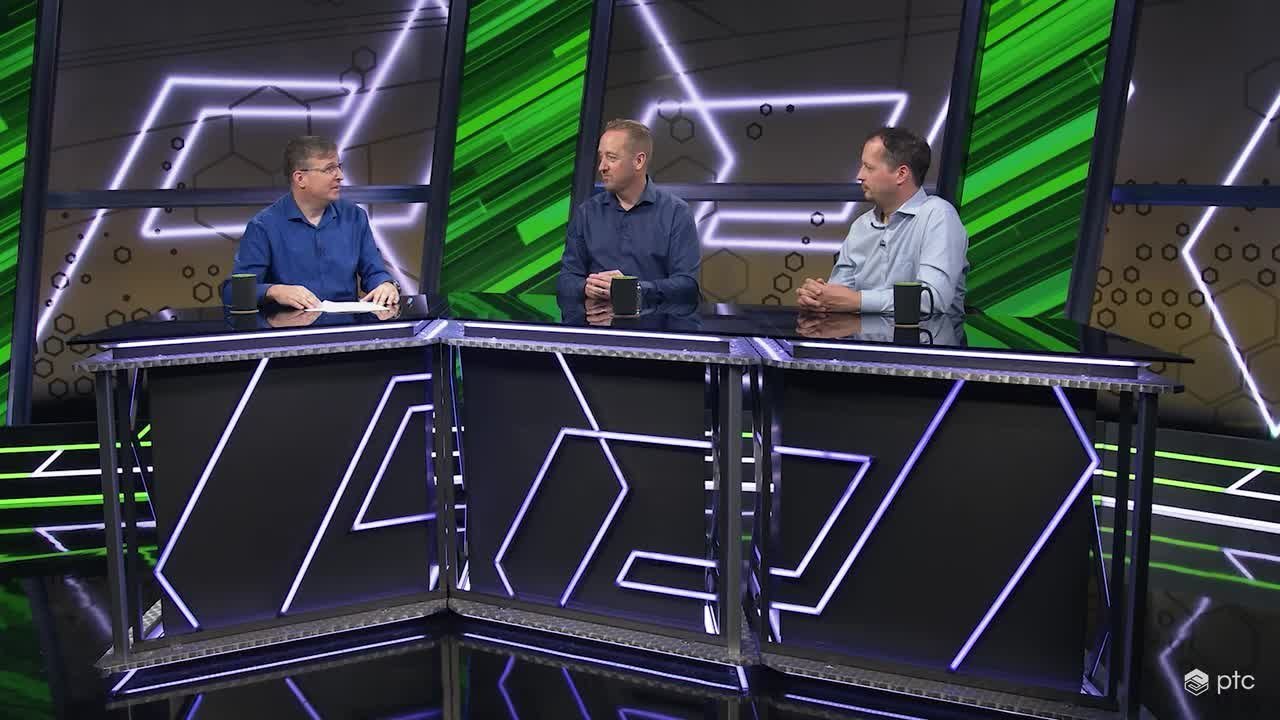
Three speakers discussing parts classification at a PTC studio desk.Watch the expert discussion
Build a scheme the team can maintain

Start with a selection question.
Build a useful classification.

Design the classification scheme around a real selection question. Before configuring a hierarchy or enriching a large library, test whether a manageable family and a small set of well-defined properties help people compare records consistently. The result should be a shared description that designers can apply and maintain.

Choose a meaningful family

Select records that users regularly struggle to distinguish, together with their supporting drawings or specifications. Include varied examples so the proposed family boundary reflects real selection needs rather than one convenient record.

Agree the description

For each property, agree its meaning, units and allowed values. Check that two people can describe the same characteristic consistently, and decide how unknown values should be handled before comparing candidates.

Define the review

Name the person who reviews candidate suitability and the evidence they need. Keep the descriptive comparison separate from the decision to reuse a component in a particular product.

A person examining a machined component under an inspection light with engineering overlays.

The Untapped Potential of Parts Management

The paper provides a broader parts-management perspective for the planning conversation. Read it alongside the questions here to connect the structure of the library with the work of choosing, introducing and supporting components.

Read the parts management white paper
Put ownership around the information at creation

Classify at creation.
Keep the library useful.

Classification is easier to sustain when it is part of creating and maintaining a record, rather than a separate cleanup task after design. Use the agreed scheme at the point where people introduce parts, then establish how missing descriptions, sourcing changes and new families will be reviewed as the library grows.

  • Set the governance

    Define the existing-part check that precedes a new-record request and the circumstances that justify another number. Make the decision and its owner clear enough for designers to follow in normal work.

    What existing-part search should happen first?

  • Assign an owner

    Give strategic families a steward who can resolve classification questions and coordinate updates. Stewardship covers the quality of descriptions; it does not replace the discipline responsible for approving a part’s use.

    Who resolves an incomplete or ambiguous description?

  • Start with commodity parts

    Begin with a bounded commodity family whose records and selection criteria the team understands. Use it to test the hierarchy, attribute definitions and search experience before extending the scheme.

    Which family is practical to clean up and test?

  • Include sourcing context

    Include purchasing when deciding which material and sourcing information users need to consult. Establish who maintains that information and distinguish a descriptive attribute from an approved manufacturer or vendor relationship.

    Which supplier or material information affects selection?

  • Expand deliberately

    Use the first family’s findings to refine the working rules before adding engineered parts. Review whether new families require different attributes, supporting evidence or stewardship rather than copying the initial scheme unchanged.

    What did the first family teach the team?

Windchill classification capabilities

Structure. Search. Compare.
Put Windchill classification to work.

A classification scheme becomes useful through the everyday tools that apply it. Explore how Windchill structures descriptions, supports record creation and searches existing components, then connects that information to sourcing and product context. Each capability below explains a specific behavior; guide links remain visible, with evaluation details available on demand.

Configurable classification schemes

A hierarchy with meaningful, maintained attributes.

Classification nodes can hold locally defined attributes and inherit attributes from parent nodes.

Explore product data management
Review details

A parent can describe shared characteristics while a more specific family adds its own properties. Review the effect on existing records before changing a definition used across the library. For example, a common material attribute can sit above several component families, while an individual family adds the properties that distinguish its members.

Which attributes belong to every member of the family?

Automatic part and document naming

A consistent format based on the classification values.

Review details

The generated name is not dynamic: later attribute or rule changes do not automatically rename existing objects. Choose the attribute order and separators so that the generated description remains understandable outside the classification browser, such as in a drawing or parts list.

Which values make a useful name, and how should existing names be maintained?

New part and document classification

Apply the scheme as records are introduced.

Review details

Define how a creator requests a missing family or value, and who resolves incomplete descriptions without relying on improvised naming. The creation experience should make the selected family and required descriptions clear before the record becomes another search candidate.

What should the creator do when the correct family or value is missing?

Find candidates through class and attribute criteria.

Find Similar Objects searches within the selected object’s classification node.

Explore Windchill AI separately

Import, export and mass updates

Prepare a controlled approach to existing records.

Import, export and mass-update work needs an agreed mapping between existing records and the target classification scheme.

Plan a data migration
Review details

Rehearse with a representative data set, compare the results and resolve missing or inconsistent values before applying the approach more widely. Check field mappings, units and controlled values together: a successful import is useful only if the resulting records can be interpreted consistently.

How will the owner detect missing or inconsistent values?

Supplier data management

Keep manufacturer and vendor relationships in context.

Windchill Supplier Management makes manufacturer/vendor records and AML/AVL sourcing information available during design.

Explore supply-chain collaboration
Review details

Sourcing administrators maintain these relationships; application setup and entitlement are separate from classification. This connects an internal engineering part with the external manufacturer or vendor references that purchasing maintains, rather than treating a supplier name as the entire sourcing record.

Who owns the sourcing status that a designer should consult?

Engineering BOM specifications

Evaluate the component in the product that uses it.

Classification describes a component; the engineering BOM shows where it participates in a product definition.

Explore BOM management
Review details

Bring a candidate back into that assembly context to review its use and identify the product structures that could be affected by a later change. That context lets a reviewer move from a library-level description to the assemblies in which a component is used, with their relevant product relationships.

Which product structures need review if this component changes?

Sustainability attributes

Make relevant material information available to reviewers.

Material or environmental attributes can make relevant information easier to consult during selection.

Explore sustainable engineering
Review details

Agree where each value comes from, how it is maintained and which supporting evidence a reviewer needs. An attribute alone does not establish compliance or a measured environmental benefit. For example, a declared material value and its supporting document can be considered together, so the selection discussion is grounded in the available evidence.

What evidence does the reviewer need beyond the attribute value?

Available behavior depends on the Windchill applications, supported release, indexing, profiles, licenses and configuration. Finding a similar record is not approval to reuse or substitute it.

Start a conversation

What would you
like to connect?

Select a priority to start the conversation.

Choose a priority above.

Apply the discipline to a real product situation

Different part families.
Relevant reuse questions.

The right classification vocabulary depends on the parts a team needs to compare. These industry situations focus on finding candidates while leaving suitability decisions with engineering.

A viewer using a television in a home environment.

Electronics & High-Tech

Electronic component searches may depend on agreed electrical, package and sourcing attributes. Consistent units and values make candidate comparisons more useful.

Which attributes distinguish a relevant component from a merely similar one?

Explore Electronics & High-Tech
A technician working around aircraft equipment.

Aerospace & Defense

A reuse search across a long program needs recognizable material and specification context. A match in the catalogue still needs an applicability review.

What specification and program context must accompany this candidate?

Explore Aerospace & Defense
A construction machine working outdoors.

Industrials

Machine designers can compare recurring fasteners, bearings or purchased assemblies through shared classes. Keep the functional selection criteria distinct from a matching description.

Which characteristics matter when comparing these purchased parts?

Explore Industrial Machinery
Clarify the reuse decision

Classification questions.
Make reuse an informed choice.

Keep the meaning of a search result and the responsibility for the part decision clear.

Does a similar part mean it is interchangeable?

Similarity is a way to identify candidates. The responsible team still reviews dimensions, tolerances, material, specification, lifecycle and application requirements before approving reuse or substitution.

Will changing an attribute automatically rename an existing part?

Classification autonaming generates a name according to the configured rule when naming is performed. It is not dynamic: later attribute or rule changes do not automatically rename existing parts. Agree how existing names will be maintained.

Does classification automatically prevent every duplicate?

Governance, record quality and review remain essential. A configured similar-parts warning can identify exact classification-attribute matches during supported single-part creation, with indexing and preferences enabled. It is not a universal block, and the user can continue; the same check does not cover New Multiple Parts.

How should we approach an inconsistent existing library?

Start with a representative family. Review class boundaries, units, missing values and naming variations, then agree stewardship and a controlled enrichment approach. Resolve candidate duplicates with their product relationships and usage in view before considering record changes.

Build a more useful parts library

Bring the family.
Make the knowledge reusable.

Show us where existing parts are difficult to describe or find.
We’ll help frame the classification scope, data preparation and ownership around the work your team needs to do.

Talk to an expert